
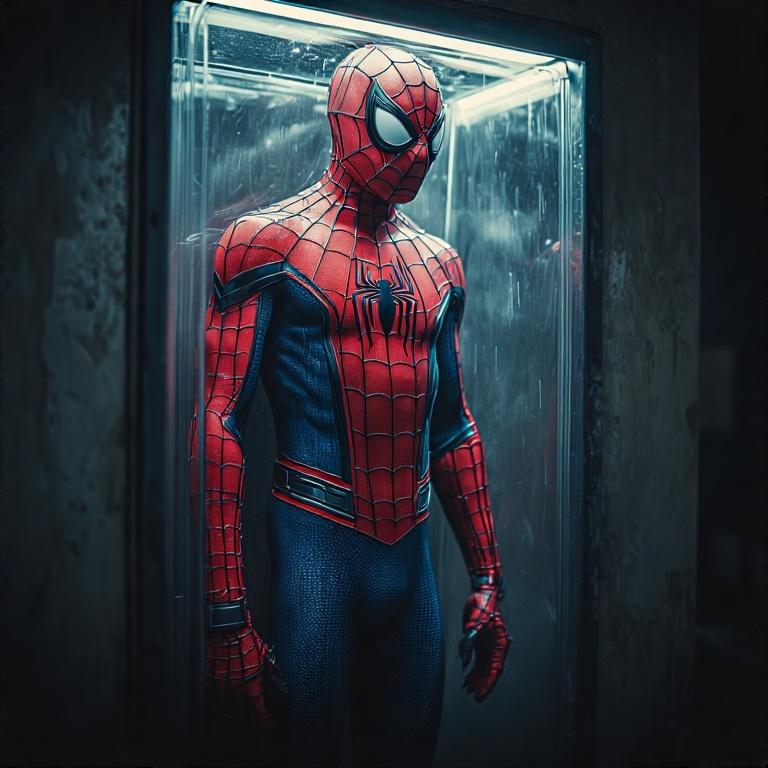
Comic books today aren’t being written with the future in mind. They’re not focused on telling great stories; they’re creating collectibles. These books are made to be bought, bagged, and displayed, not read and remembered. As long as the cover looks amazing, most buyers don’t care what’s inside. This is clear from the rise of companies like CGC, which grade comics and seal them away, unreadable, behind plastic.
There was a time when comic books gave us unforgettable stories as well as iconic art. Think about The Dark Knight Returns, Days of Future Past, or The Judas Contract. These weren’t just flashy covers; they were stories that dug deep, took risks, and left a mark on pop culture. People still talk about Watchmen and Born Again because they had something to say. Even big crossover events like Secret Wars or The Phoenix Saga managed to balance spectacle with substance. These stories were not afraid to challenge their heroes, break them down, and build something lasting in the process. That is what gave comics their staying power, not just the art, but the heart behind it.
Now take the Rippaverse. None of their stories have stood out. One of the big criticisms was that when fans were asked to name their favorite part of a book, no one could. Rather than take that to heart, they leaned into it with a T-shirt that reads, “What’s your favorite part?” It’s clever marketing, sure, but it confirms the point. The focus is on money, not storytelling. And as long as Eric July keeps acting like a carnival barker hyping up a sideshow, people aren’t going to take the work seriously. His stories don’t pass the timeless test, and probably never will.
Unfortunately, many indie and small-press comics are headed down a similar path. They’re not quite as blatant, but the overreliance on variant covers and collectible gimmicks puts the story in second place. Covers sell. Stories lag behind.
To be clear, I’m not knocking anyone for trying to make money. The market is tough, and there’s no guarantee tomorrow’s readers will show up. If something works now, make the most of it. But if the goal is to push art and collectibles, and most of these creators are artists first, maybe it’s time to just lean into that. Skip the pretense of storytelling. Create beautiful, collectible art and sell that.
In the end, stories need to drive the action. The art is just the shiny outer shell; it’s the cover on the book, not the reason the book exists. If superhero stories are going to survive, it won’t be because of variant covers or foil embossing. It will be because someone cared enough to write characters worth following and plots worth remembering. That’s why prose, actual books, is where the future lives. They’re not trying to be pretentious or shoved in a slab for bragging rights. They’re built to be read, shared, and remembered. Superheroes started as stories. That’s how they’ll be saved.
 stephenhudler.com
Leave a comment